Get in touch
Guided delivery. Safer cancer treatment.

Advancing the
Next Generation of
Drug Delivery for
Cancer Therapy

CalepiBio's Carbon Quantum Dots (CQDs) platform distinguishes cancer cells from healthy cells—delivering chemotherapy agents and other oncology therapies where they're needed while sparing healthy tissue.
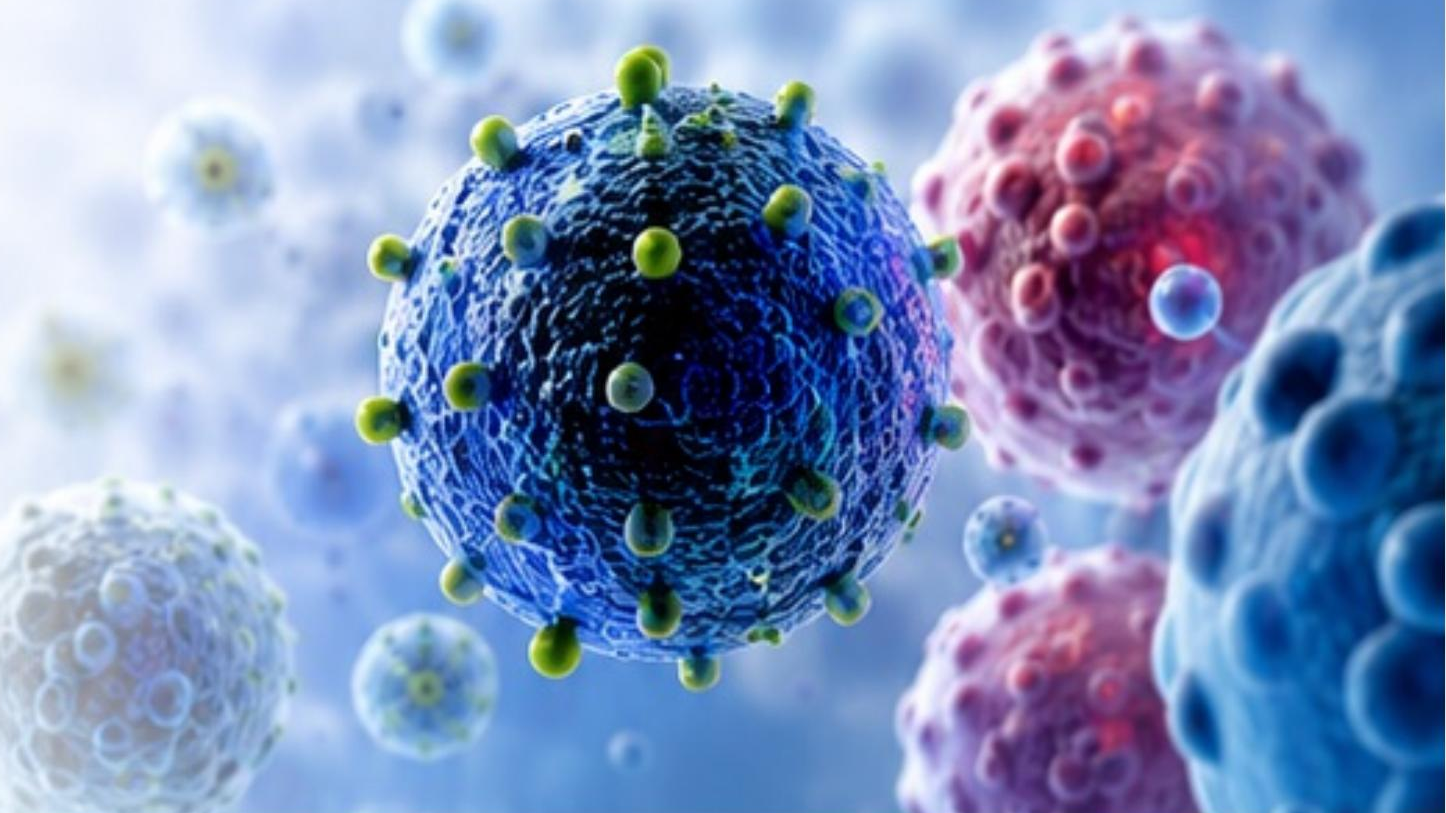
3D rendering of cancer cells
Our Mission

To expand the therapeutic index of cancer medicines by enabling smarter, more selective drug delivery through Carbon Quantum Dots technology.

Our Platform at a Glance

A Drug Carrier the Body's Own Biology Pulls Toward the Tumor.

CalepiBio's CQDs platform is the first drug carrier shown to selectively enter cancer cells via the LAT1 transporter — delivering chemotherapy agent and other cancer therapy agents where they'd be needed, while sparing healthy tissues. In preclinical models, CQDs-delivered topotecan produced complete tumor regression with a small fraction toxicity than the drug alone.

2–3yrs
Pre-A to IND

Via a 505(b)(2) pathway built on an approved drug.

$10B+
Initial lead markets

Three high-mortality solid tumor indications to start.

Global IP
Exclusive US rights
Nature publications

Mechanism and efficacy independently peer-reviewed.

The Clinical Limitations

Chemotherapy's Toxicity Limits Efficacy.

Most chemotherapy drugs kill cancer cells — and the healthy ones too. Patients face a brutal trade-off between efficacy and toxicity.

Toxicity

Toxic to healthy tissues

Standard cytotoxics damage bone marrow, GI, hair, and immune cells. Dose-limiting toxicity caps how much a drug can do.

Dosing

Forced dose reductions

Up to 60% of patients require dose reductions or treatment delays — compromising tumor response.

Adherence

Quality-of-life collapse

Nausea, fatigue, neuropathy, and immunosuppression drive treatment dropout and poor adherence.

Our solution

CQDs Selectively Deliver Drugs into Cancer Cells.

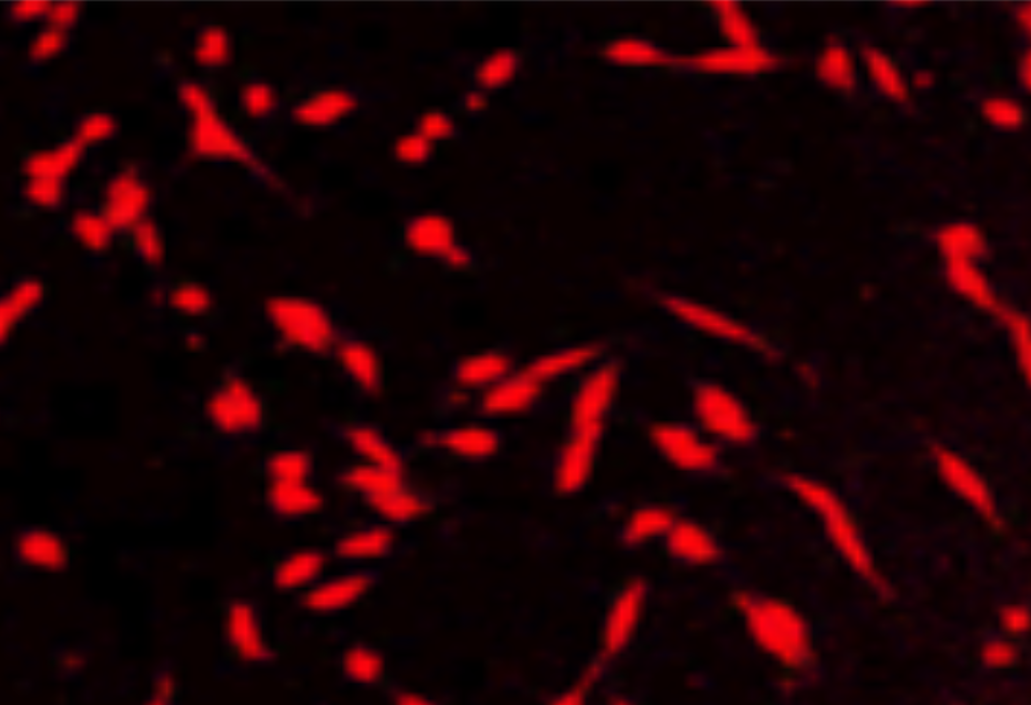
Microscope imaging showing high CQDs uptake in cancer cells Microscope imaging showing no CQDs uptake in healthy cells
Cancer cells — CQDs uptake
Healthy cells — no uptake
Same dose. Same procedure. CQDs enter cancer cells selectively.
T

Tumor-selective

Enters cancer cells via the overexpressed LAT1 transporter; healthy cells are ignored.

U

Universal carrier

Loads existing aromatic chemotherapy drugs — topotecan, doxorubicin, and others.

M

Manufacturing-friendly

Facile synthesis, scalable, and lower COGS than liposomal carriers.

S

Safe & stable

Nontoxic in preclinical studies; chemically stable more than 90 days at room temperature.

Mechanism

Why Cancer Cells Take up CQDs — and Healthy Cells Don't.

1

Cancer cells crave amino acids

Tumor cells overexpress the LAT1 transporter to fuel rapid growth. Healthy cells express it at far lower levels.

2

CQDs mimic amino acids

Engineered surface groups make CQDs look like large neutral amino acids. LAT1 actively pulls them in.

3

Drug released inside cancer

The chemotherapeutic payload is released selectively where it needs to act. Healthy tissues are spared.

Metabolic targeting

LAT1: A Universal Cancer Target.

CQDs exploit a metabolic vulnerability shared by virtually every solid tumor — not just one antigen.

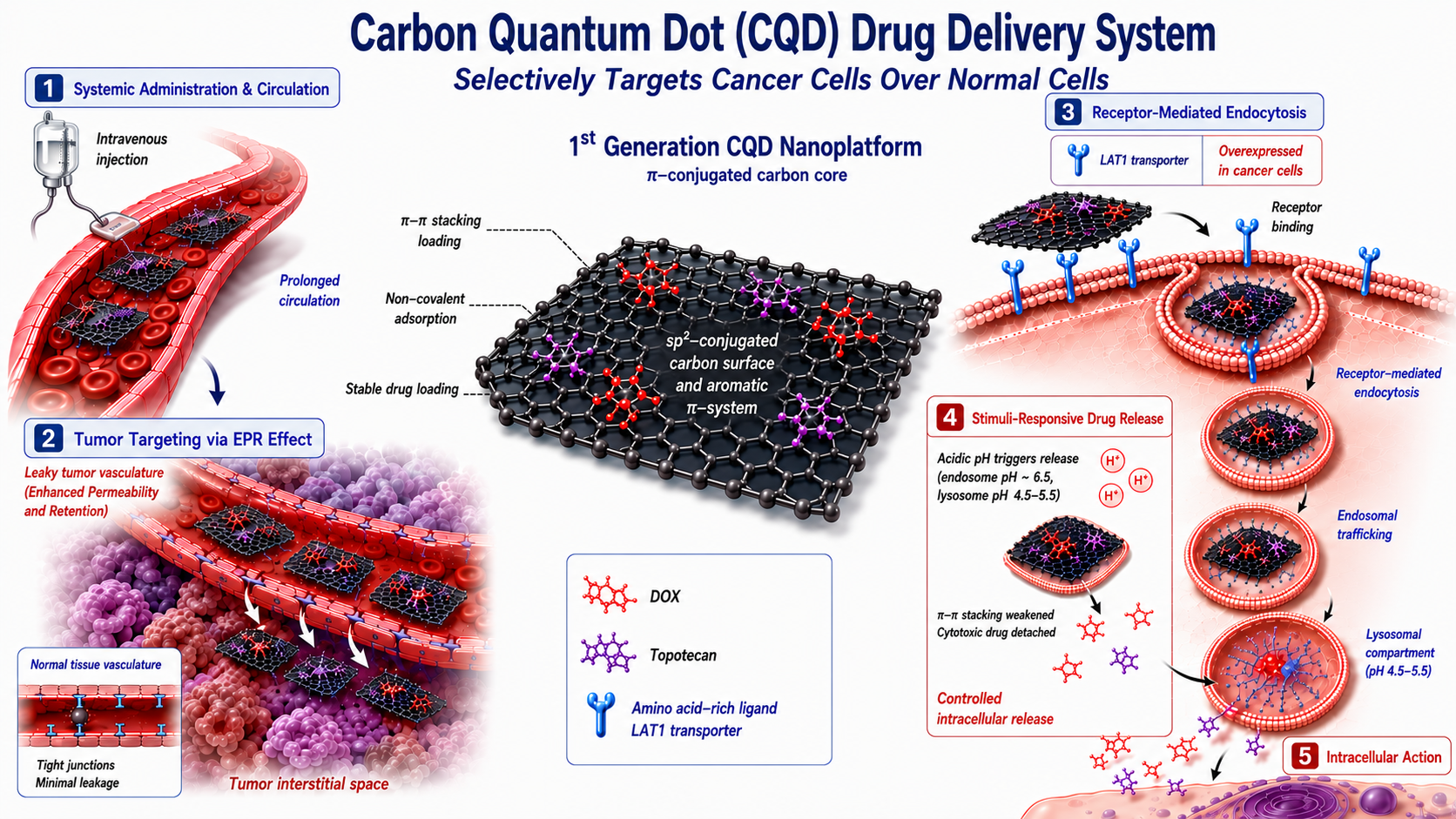
Diagram of the Carbon Quantum Dot (CQD) drug delivery system: systemic administration and circulation, tumor targeting via the EPR effect, LAT1 receptor-mediated endocytosis, stimuli-responsive drug release in the acidic endosome/lysosome, and intracellular drug action.
CQD drug delivery, step by step: systemic circulation → tumor targeting via the EPR effect → LAT1 receptor-mediated endocytosis → acid-triggered drug release → intracellular action.
4–5×
RNA overexpression

LAT1 mRNA upregulated in cancer vs. normal tissue across 20+ tumor types tested so far.

2–3×
Protein overexpression

LAT1 protein elevated at the plasma membrane in cancer — the active uptake site for CQDs.

20+
Cancer types affected

SCLC, ovarian, cervical, gastric, breast, bladder, renal, melanoma, glioblastoma, prostate & more.

Source:
  • Nature Communications 2025, 16:2716
  • Expert Opin. Ther. Targets 2015, 19:1319
Competitive landscape

Where We Win Against Other Delivery Approaches.

Our edge: true molecular targeting via LAT1 — not passive accumulation, like other nanoparticle carriers.

ApproachSelectivityManufacturing cost
Free drugLowLow
Liposomal carrierModerateHigh
Polymeric nanoparticleModerateModerate
CalepiBio CQDsHigh (LAT1-mediated)Moderate
Regulatory strategy

A De-Risked 505(b)(2) Path to First Approval.

Topotecan is FDA-approved. By reformulating with the CQDs carrier, we leverage existing safety and efficacy data — compressing the time and capital needed to reach market. The primary goal is to match human PK/PD with the approved drug.

Pathway

505(b)(2) pathway

Reference existing topotecan data; only nanocarrier-specific tox and safety data required.

Speed

Fast-track eligibility

SCLC indication qualifies as a serious condition with unmet need; priority review possible (6 months vs. 10).

De-risking

Pre-IND engagement

Early FDA alignment on CMC and clinical design de-risks the program before IND filing.

Building the Platform

Three Generations of Innovation.

Calepi Bio is building a Carbon Quantum Dot (CQD) platform to transform the delivery of cancer therapies. Our first programs focus on improving the safety and efficacy of approved oncology drugs, providing a practical path to validate the platform. As the platform advances, it is designed to support future combination therapies and novel therapeutics, expanding the potential of targeted drug delivery for cancer treatment.

StrategyLead assetsPathwayFirst IND
1 Non-covalent loading of approved chemo and targeted drugs with aromatic moieties Validated with first product in vivo; expandable across multiple chemotherapy agents 505(b)(2) 2027
2 Combination therapies built on 1st-gen drugs for synergistic efficacy Future combination therapies 505(b)(2) 2029
3 Covalent-bonded CQDs-drug new molecular entities (NMEs) Future novel therapeutics 505(b)(1) 2030+
First IND in 2–3 years to validate the platform; first NDA targeted 3–5 years. Rapid pipeline expansion follows platform validation in humans.
Business model

Multiple Paths to Revenue from One Platform.

Internal development

CAPTURE FULL VALUE ON LEAD ASSET

Develop topotecan-CQDs through Phase 1 (human PK/PD). Out-license post-Phase 1, or continue to NDA.

Asset partnering

CO-DEVELOP 2ND-/3RD-GEN DRUGS

License combinations to oncology pharma. Upfront plus milestones plus tiered royalties.

Platform licensing

CQDs CARRIER FOR PARTNER DRUGS

License the carrier to pharma partners with aromatic drugs. Per-program milestones and royalties — a recurring, high-margin revenue stream.

Team

Built on Scientific Discovery. Driven by Industry Experience.

Our multidisciplinary leadership team combines decades of experience in pharmaceutical R&D, oncology, diagnostics, CMC, regulatory strategy, and commercialization. With leadership experience spanning global biopharmaceutical and medical technology companies—including Pfizer, Roche, Merck, Halozyme, and other leading organizations—we are advancing breakthrough science into transformative cancer therapies.

Get involved

Partner With Calepi Bio

We welcome discussions with:

Together, we can advance the next generation of targeted cancer therapies.

Let's talk.
Inquiry@calepibio.com